
Aligning Digital Strategy: The Executive's Guide to Unified Growth
How fostering alignment through shared vision, actionable insights, and collaborative tools can transform your digital projects

Behind every successful digital project lies more than just technology or talent—it’s a shared understanding of purpose and goals. When teams work in sync, every decision connects to a bigger picture, transforming projects from ordinary to exceptional. Without this alignment, even the best ideas can stall.
Achieving this clarity isn’t always straightforward. It takes the right tools, actionable insights, and the willingness to move beyond lofty plans into strategies that work. For organizations navigating complex projects, the key is aligning creativity, data, and execution under one shared vision.
When Misalignment Slows You Down
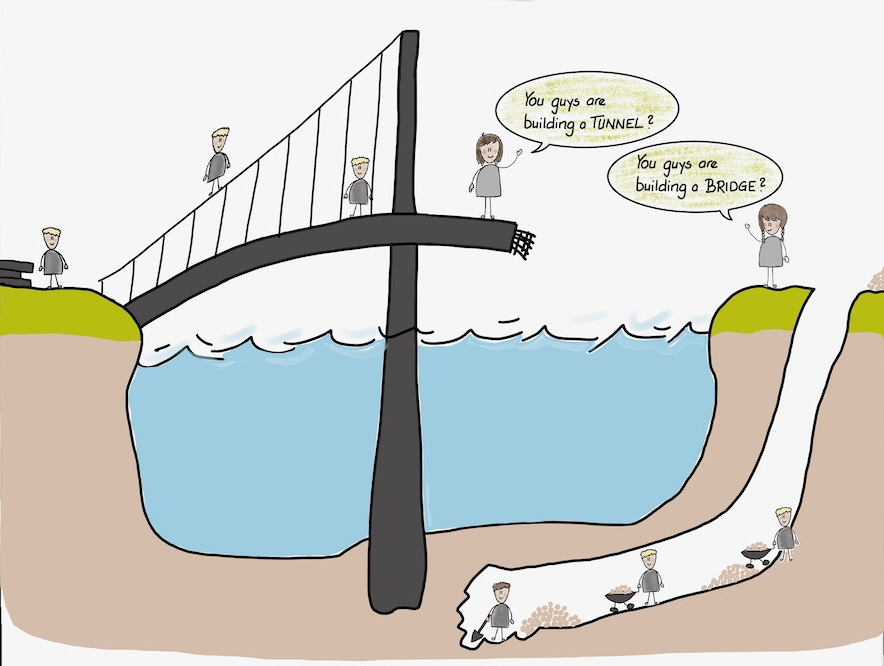
How can you tell if your team isn’t aligned? The red flags are often there:
Conflicting Priorities: Teams pull in different directions, creating friction and delays.
Constant Revisions: Deliverables keep changing because expectations aren’t clear.
Out-of-Control Scope: Projects grow beyond their original purpose, losing focus.
These aren’t just annoyances—they’re costly. A McKinsey study found that organizations with clear alignment across teams are nearly twice as likely to deliver on time and on budget. Building that alignment doesn’t just prevent problems; it accelerates progress and sparks innovation.
Building Shared Understanding: Tools and Conversations
Alignment doesn’t happen by accident—it starts with deliberate efforts to bring teams together through meaningful conversations and clear visual tools. These elements work hand-in-hand to bridge gaps in understanding and focus everyone on a common goal.
Stakeholder Interviews are a key first step in this process. One-on-one conversations with team members—such as customer support staff or sales leaders—can reveal valuable insights that often go unnoticed. These discussions help uncover hidden challenges, overlooked opportunities, and misaligned priorities that might not surface in formal documentation. By grounding the project in real-world perspectives, you can create a clearer picture of what success looks like.
But gathering insights is only part of the equation. The next step is to make those findings actionable. Visual tools help teams process complex information, align on priorities, and collaborate more effectively.
Examples of visual alignment tools include:
North Star Metrics, OKRs and KPIs: Clear frameworks used to measure progress and success towards business goals.
Workshop Maps: Lay out the current state of operations or user journeys to highlight pain points and opportunities.
Prototypes: Offer hands-on previews of potential solutions, sparking meaningful feedback.
Dashboards and Data Visualizations: Present data in a clear, easily digestible format. Connect it back to business goals and objectives.
Research Galleries: Bring user feedback to life with highlight reels or interactive displays, building empathy across teams.
Documentation: Clear, easy to digest resources that provide background information on the project goals, decisions and agreed process for achieving success.
How Tesla Speeds Things Up with Prototypes
Tesla’s approach to innovation shows the power of turning ideas into something tangible. During the development of its Gigafactories, Tesla used scaled prototypes of manufacturing lines to visualize workflows and identify inefficiencies. These models helped align engineers, designers, and operations teams around a shared goal, turning abstract challenges into practical solutions.

One standout example is Tesla’s Shanghai Gigafactory, which became operational in just 10 months. The secret? Iterative 3D models that optimized every phase of production before building began. These prototypes acted as a universal language, allowing teams to focus on the big picture while tackling the finer details.
In digital projects, I have found that tools like clickable prototypes and journey maps can have the same effect. By making abstract ideas visible, teams can identify gaps, collaborate effectively, and move faster from strategy to execution.
Planning for Alignment from the Start
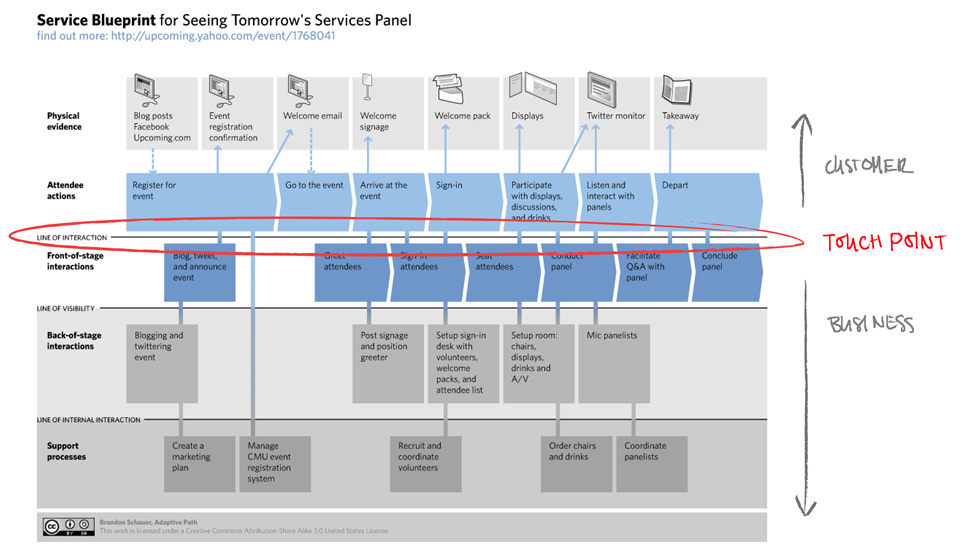
Misalignment doesn’t just slow projects down—it can derail them entirely. The best way to avoid these pitfalls is to proactively build synchronization and alignment activities into your project timelines. Whether you’re tackling a smaller initiative or a large-scale transformation, planning for alignment ensures teams stay focused and coordinated.
For smaller projects, a single one-day workshop can often clarify goals and set the tone for success. Larger efforts, however, benefit from a phased approach: start with leadership to establish strategic priorities, then cascade alignment efforts to teams and individual contributors.
Here’s where to begin:
Check Your Goals: Are teams clear on the desired outcomes? If conversations frequently revisit foundational questions, it’s a sign that alignment is lacking.
Listen to Stakeholders: Conduct interviews to surface hidden friction points, clarify expectations, and uncover insights that can refine your approach.
Map It Out: Use visual tools to compare the current state to the desired future state, helping everyone see the path forward and connect to a shared vision.
To guide your alignment efforts, these are some of my favourite resources provide valuable frameworks and tools (non-affiliate links):
Sprint by Jake Knapp: A quick-start guide for problem-solving in teams.
Gamestorming by Dave Gray et al.: Practical tools for creative collaboration.
Mapping Experiences by Jim Kalbach: Methods for journey mapping and process improvement.
UX Strategy by Jamie Levy: Strategies for crafting actionable product plans.
IDEO’s Design Thinking Toolkit: A go-to resource for driving innovation.
Todd Cherches, TED Talk, The Power of Visual Thinking: In this talk, Todd Cherches emphasizes how visual thinking can transform ideas and enhance communication.
From Vision to Impact
Alignment isn’t just about staying on track—it’s about unlocking your team’s full potential. When tools, people, and strategies come together under a shared vision, complexity turns into clarity, and obstacles become opportunities.
By blending thoughtful analysis with collaborative tools, organizations can move from scattered efforts to coordinated success. With a clear purpose as the foundation, teams don’t just execute—they innovate. And that’s how you turn today’s challenges into tomorrow’s achievements.